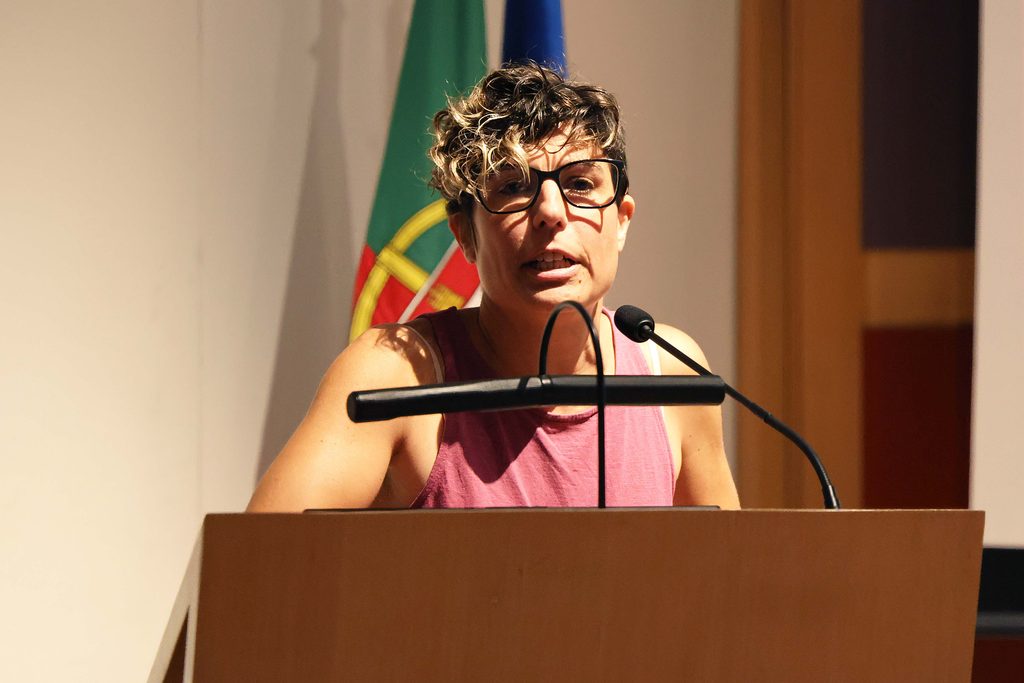
The DRYAD project partners gathered in Évora, Portugal, from 30 September to 2 October for the project’s Annual General Assembly, hosted by the Comissão de Coordenação e Desenvolvimento Regional do Alentejo (CCDR-Alentejo). Over three days of meetings, workshops and discussions, partners reviewed progress across the project, exchanged experiences from demonstration and replication regions, and worked together to define the priorities for the months ahead.
Held at the CCDR-Alentejo premises, the General Assembly provided an opportunity to take stock of DRYAD’s progress and strengthen collaboration between partners working across different territories and contexts. The meeting brought together representatives from the project’s work packages, demonstration and replication regions, as well as sister projects and the External Advisory Board.
Taking stock of progress across the project
The first day opened with a meeting of the Executive Committee, followed by a welcome from the hosting partners. Aníbal Reis, Vice-President of CCDR-Alentejo, and Lilia Fidalgo welcomed participants to Évora and highlighted the importance of collaboration in addressing the challenges faced by Mediterranean territories.
The opening session also featured contributions from the sister projects TRANSFORM, PRECILIENCE and ClimaPannonia, offering an opportunity to exchange perspectives and identify areas of common interest.
The afternoon focused on progress across DRYAD’s seven Work Packages. Work Package leaders presented the work carried out during the previous period, key achievements and the activities planned for the following six months. These discussions were complemented by updates from the project’s Demonstration Regions and Replication Regions, providing insights into the objectives, Nature-based Solutions (NbS), stakeholder engagement and implementation activities taking place across the different territories.
From project development to practical application
The second day moved from project-wide progress to a series of practical workshops designed to test approaches, tools and methodologies being developed within DRYAD.
The programme began with a demonstration and test of the project’s Decision Support System (DSS), giving participants the opportunity to explore how the tool can support stakeholders in assessing and adopting Nature-based Solutions. The session was followed by a workshop on Cost-Benefit Analysis, focusing on the economic considerations surrounding NbS and the adoption barriers identified by stakeholders.
Intellectual Property and exploitation were also addressed, with partners discussing how DRYAD’s results can be protected, developed and brought closer to potential users and markets.
The afternoon continued with a stakeholder engagement workshop, using debate tables to explore the perspectives and needs of stakeholder and partners. This was followed by an advanced live demonstration focused on the use of data and hands-on interaction with AgroAquae, providing participants with a practical insight into the tools and technologies supporting DRYAD’s work.
The programme also covered the coupling of STEMMUS-SCOPE and MODFLOW6, surveys on the adoption of Nature-based Solutions, and approaches to NbS replication and scaling. Together, these sessions connected the project’s research and technical developments with the practical challenges of implementation in different territories.
Looking ahead: strengthening implementation and scaling
The final day focused on consolidating the discussions held throughout the Assembly and looking ahead to the next stages of the project, upcoming activities, deliverables and milestones. The meeting concluded with a session involving DRYAD’s External Advisory Board members, Rosana Cervera (APAE, IFAJ, ENAJ), Alberto Mantino (Universitá di Pisa), Rosa Mosquera (USC) and Jesús Barreiro provided an external perspective on the project’s progress and future direction.
After three days of exchange and collaboration, the Annual General Assembly closed with a clear focus on the next phase of DRYAD: continuing to turn knowledge and tools into practical solutions, strengthening stakeholder engagement.
Photos taken by José Aldeano CCDR Alentejo