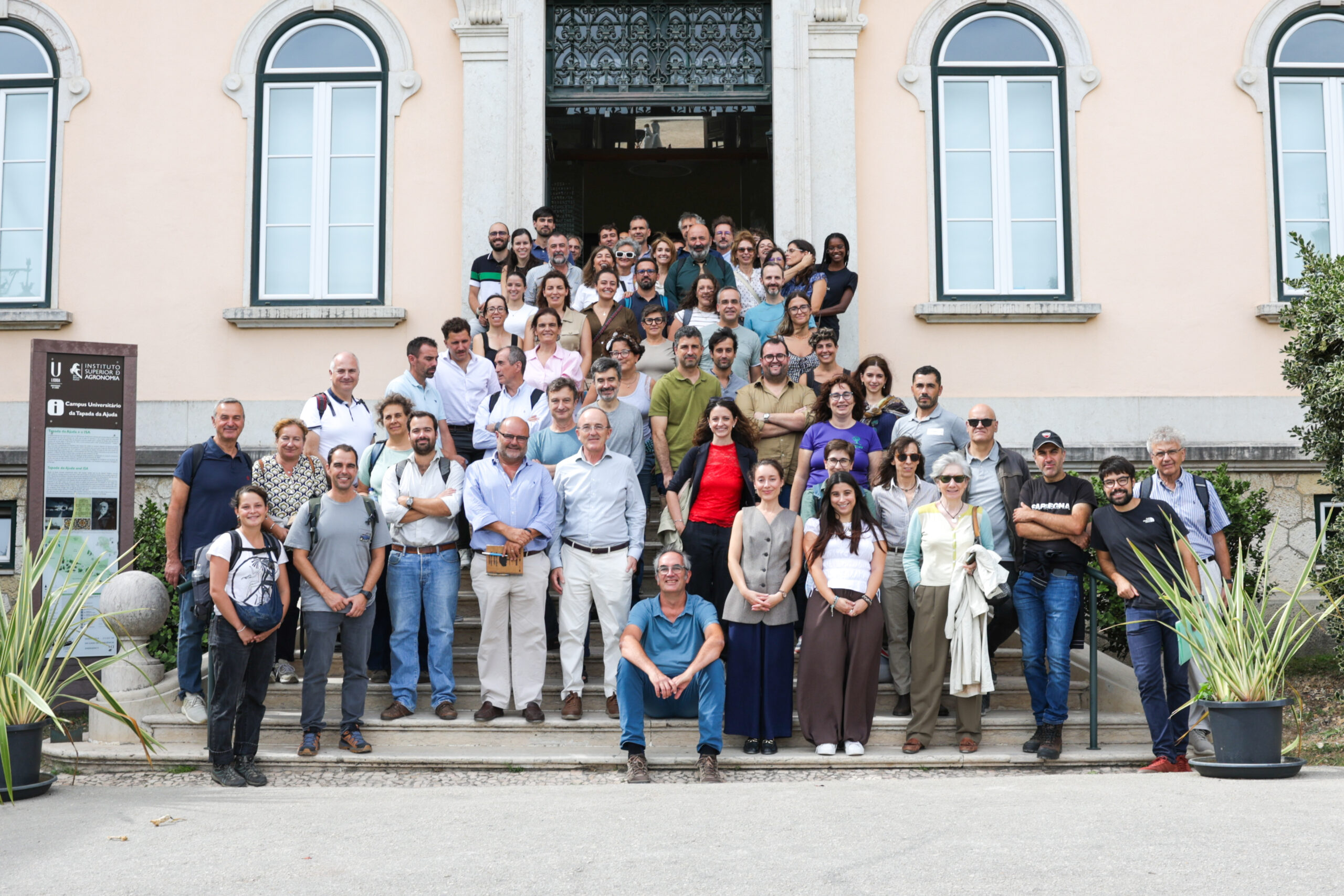
From climate stress and water scarcity to the challenges of rural engagement and knowledge transfer, stakeholders from eight DRYAD regions came together in Lisbon to examine what it takes to move Nature-based Solutions from demonstration to real-world application.
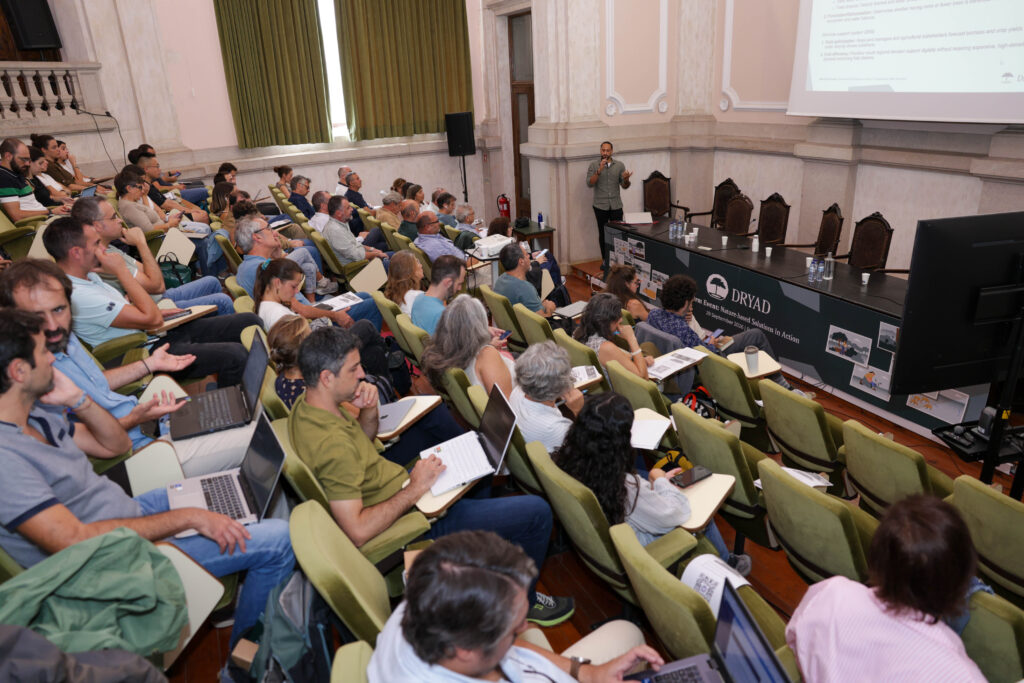
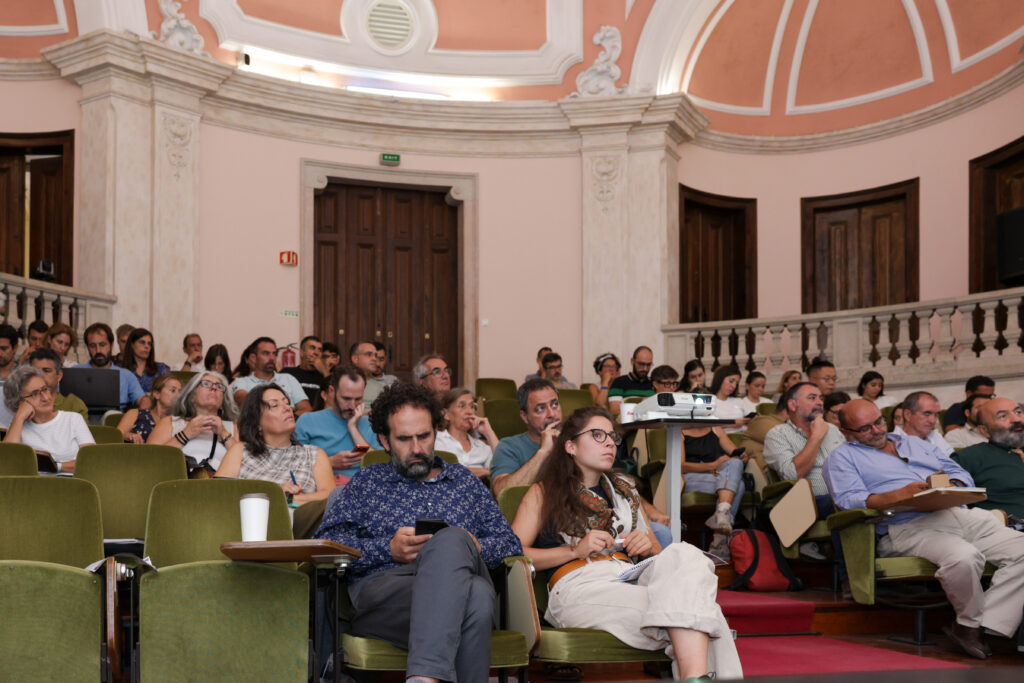
Researchers, practitioners, policymakers and stakeholders from across eight Mediterranean regions gathered in Lisbon on 29 September for the DRYAD Mid-term Event, a day dedicated to dialogue, knowledge exchange and collaboration around the implementation of Nature-based Solutions (NbS) for Mediterranean Ecosystems.
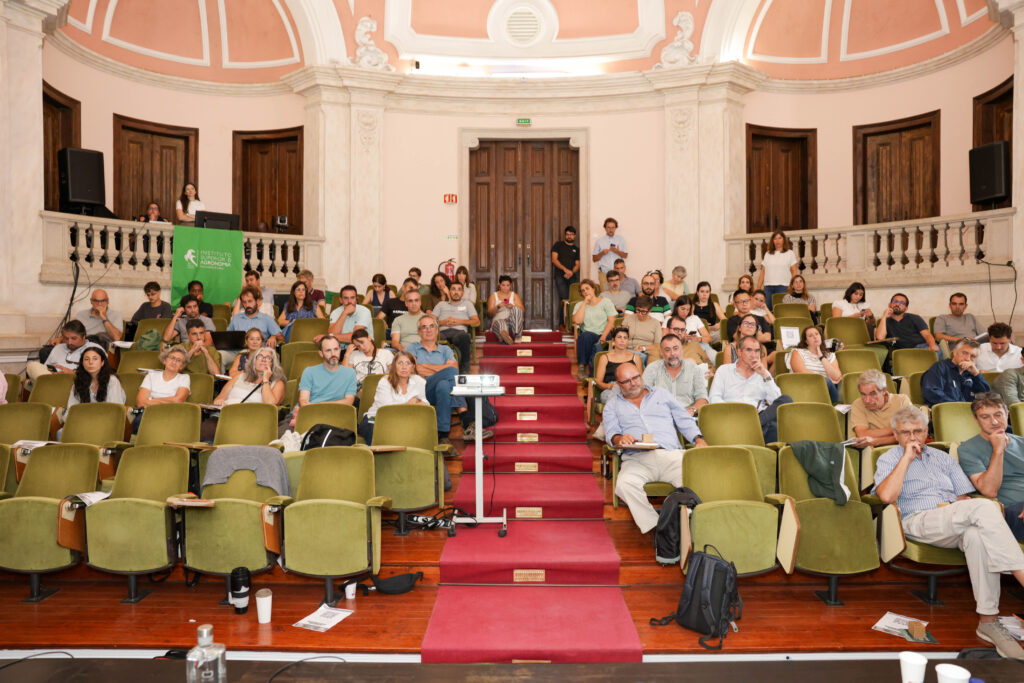
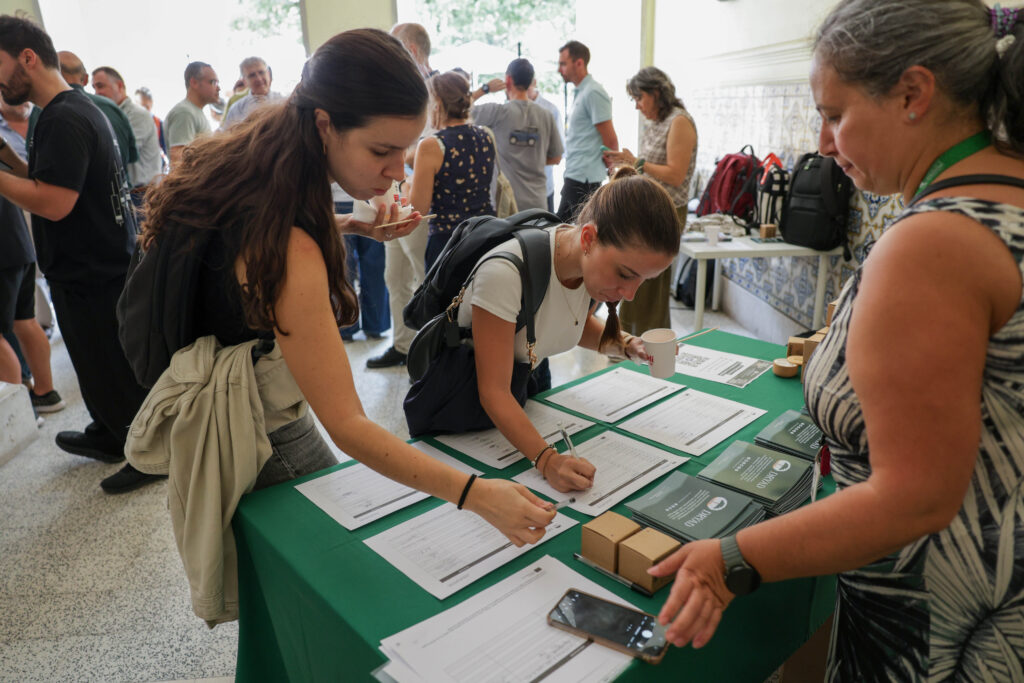
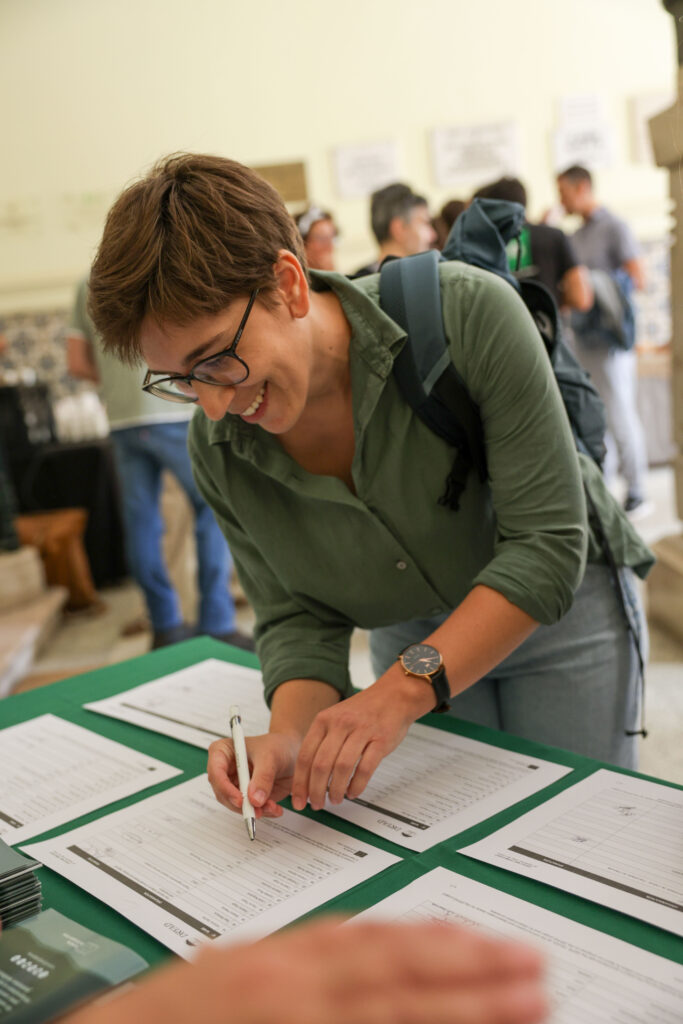
Hosted by the Instituto Superior de Agronomia (ISA) and organized by FEUGA the event brought together DRYAD partners, 16 Portuguese stakeholders and 16 invited stakeholders from the different project's regions including Andalusia, Extremadura, Castilla y León, Tirso, Tuscany, Xiromero and Occitania. The programme combined networking activities, project presentations, stakeholder discussions and a field visit, creating opportunities for participants to share experiences, discuss common challenges and explore solutions adapted to their local realities.
More than a milestone in the project's timeline, the event served as a platform for connecting people and territories, ensuring that the perspectives of those working on the ground continue to guide DRYAD's activities and the development of its tools and solutions. The main session was also streamed online, allowing participants from across Europe to join the discussions remotely. Simultaneous interpretation ensured that both onsite and online attendees could actively engage in the conversations throughout the day.
Building connections before building solutions
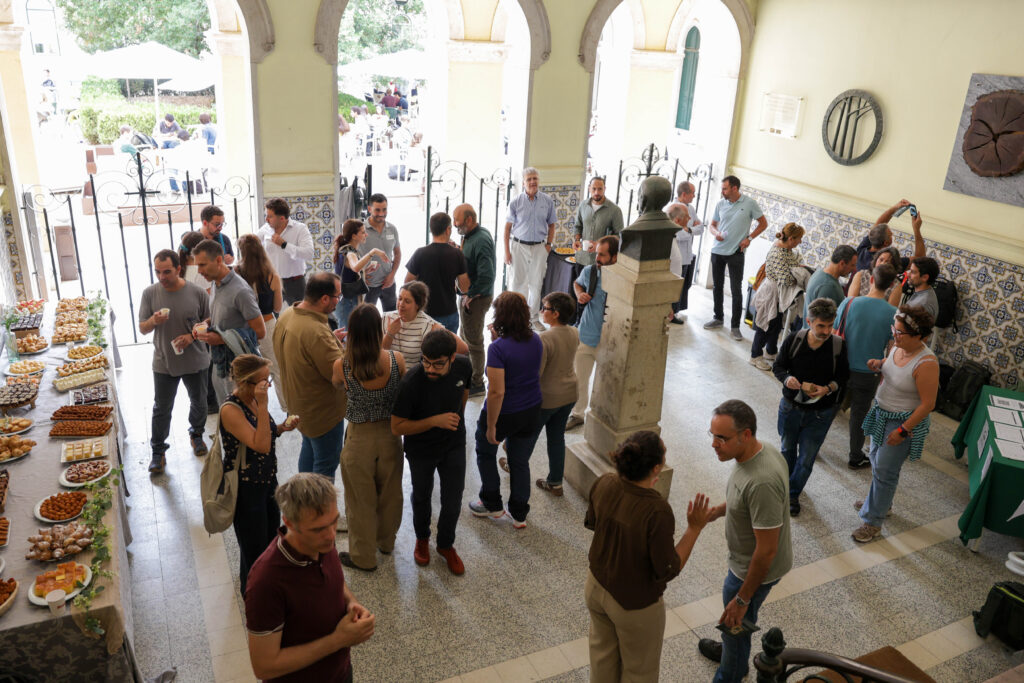
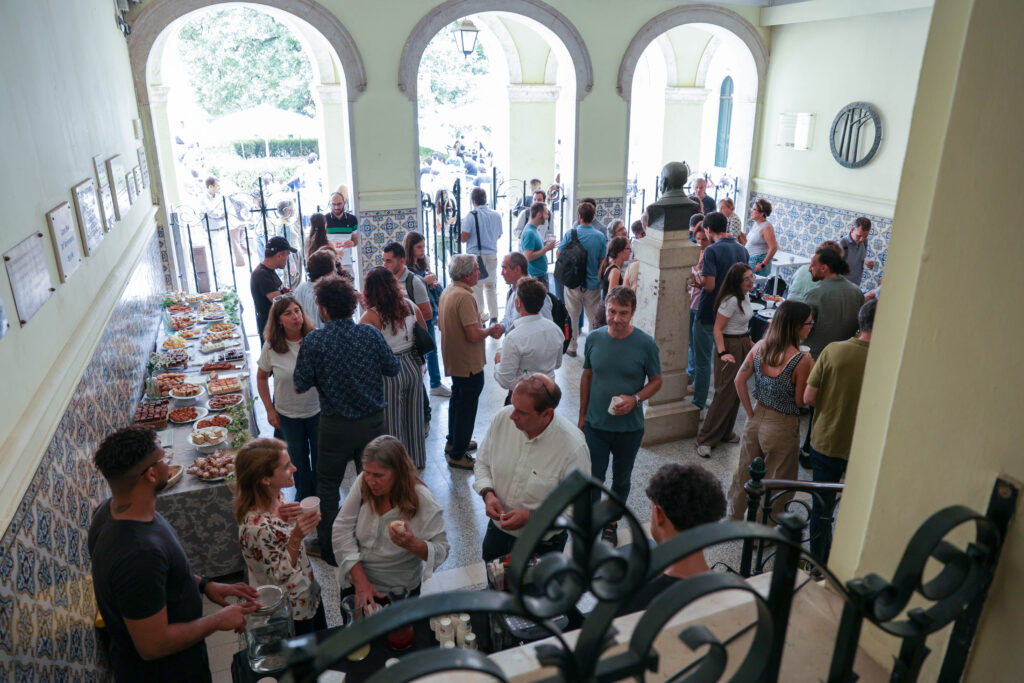
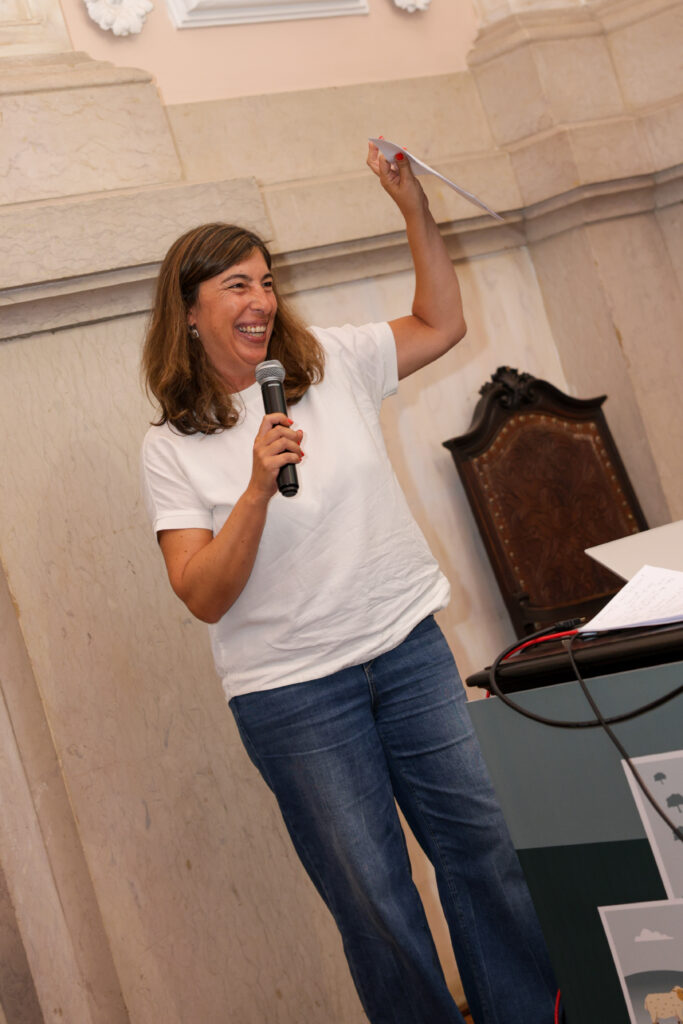
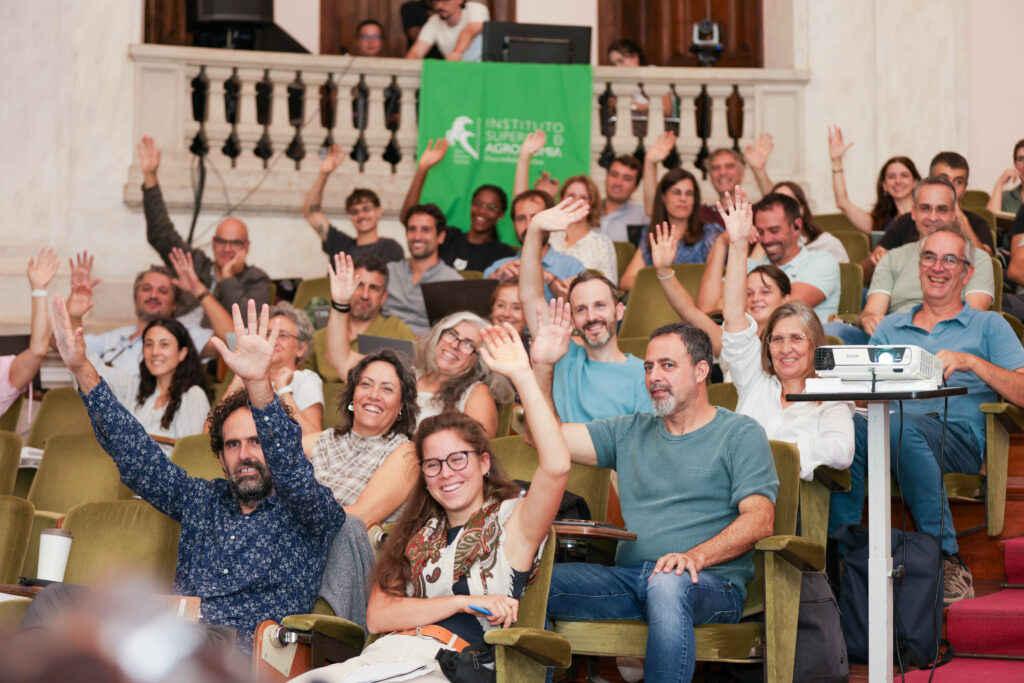
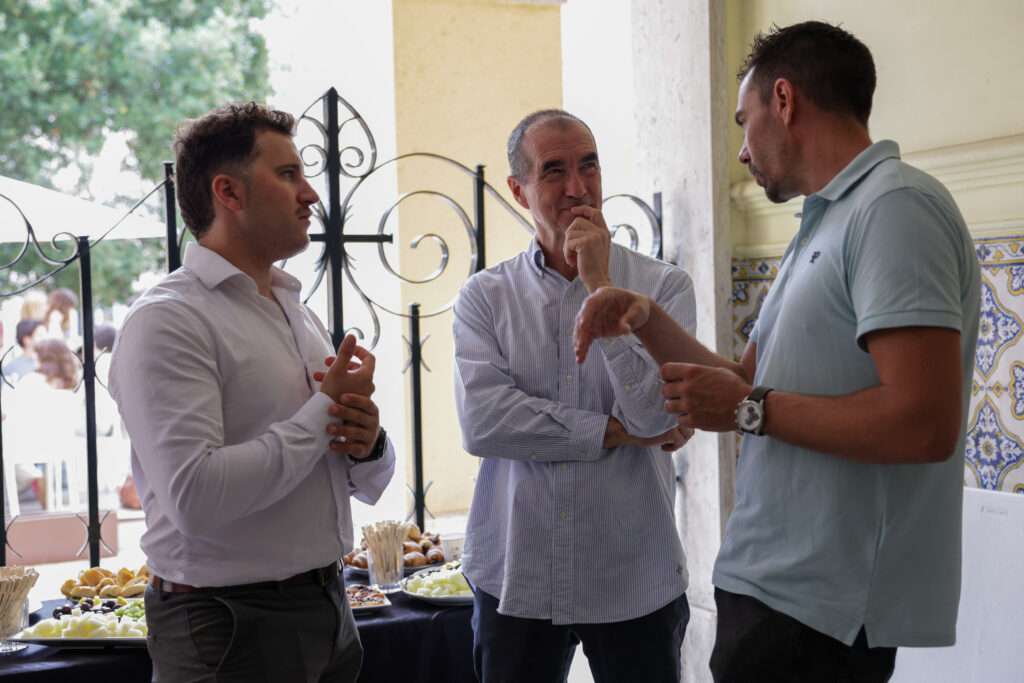
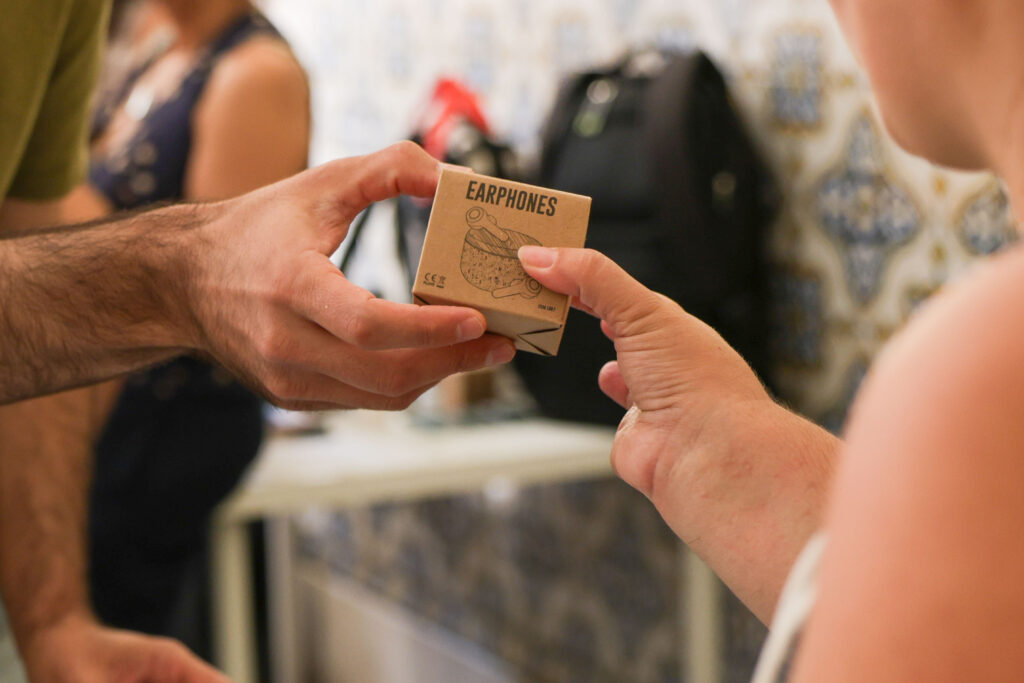
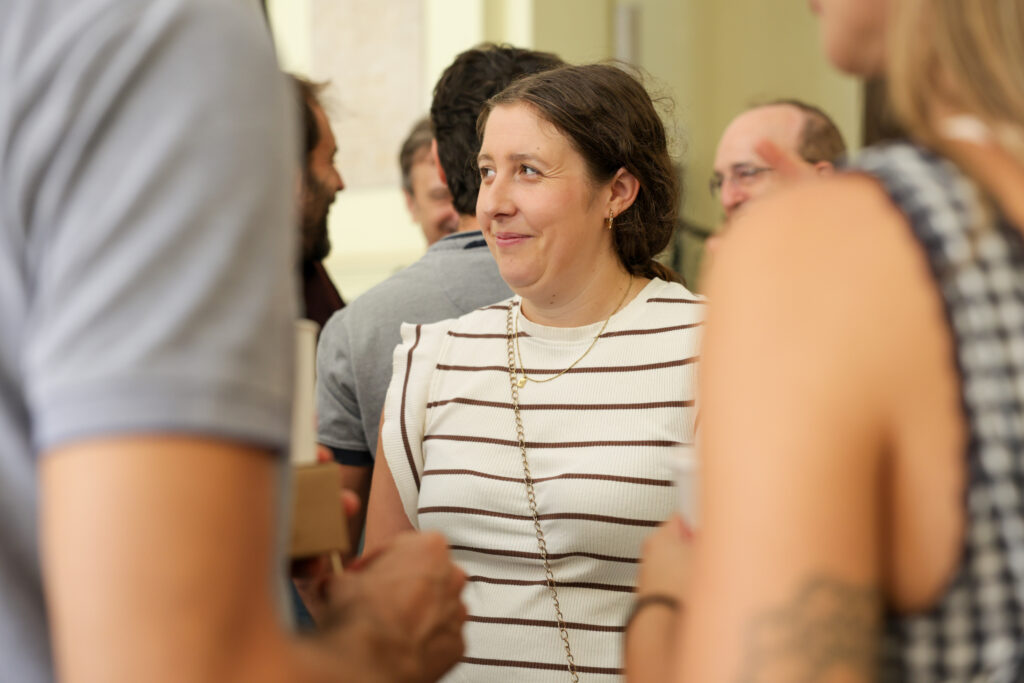
The event opened with an interactive networking session designed to encourage participants to get to know one another before the formal programme began. Representing different countries, sectors and professional backgrounds, participants explored the diversity of territories involved in DRYAD while identifying many of the challenges they share.
The first activity was a round of introductions designed to overcome language barriers: participants briefly presented themselves in their own language, with project partners helping to translate where needed. This was followed by The Resilient Agroecosystem, a group exercise exploring the different roles and perspectives needed to build resilient agro-silvo-pastoral systems.
Working in groups, participants discussed and ranked nine different roles — including the innovator, ecosystem steward, climate catalyst and long-term guardian — according to their importance for resilience. The discussion showed that there is no single factor behind a resilient agroecosystem. Instead, resilience depends on bringing together different forms of knowledge, expertise and perspectives.
The networking continued during the coffee break, where participants created a shared DRYAD playlist by adding songs that reflected their first impressions, expectations and personal connection to the project.
Bringing project developments closer to stakeholders
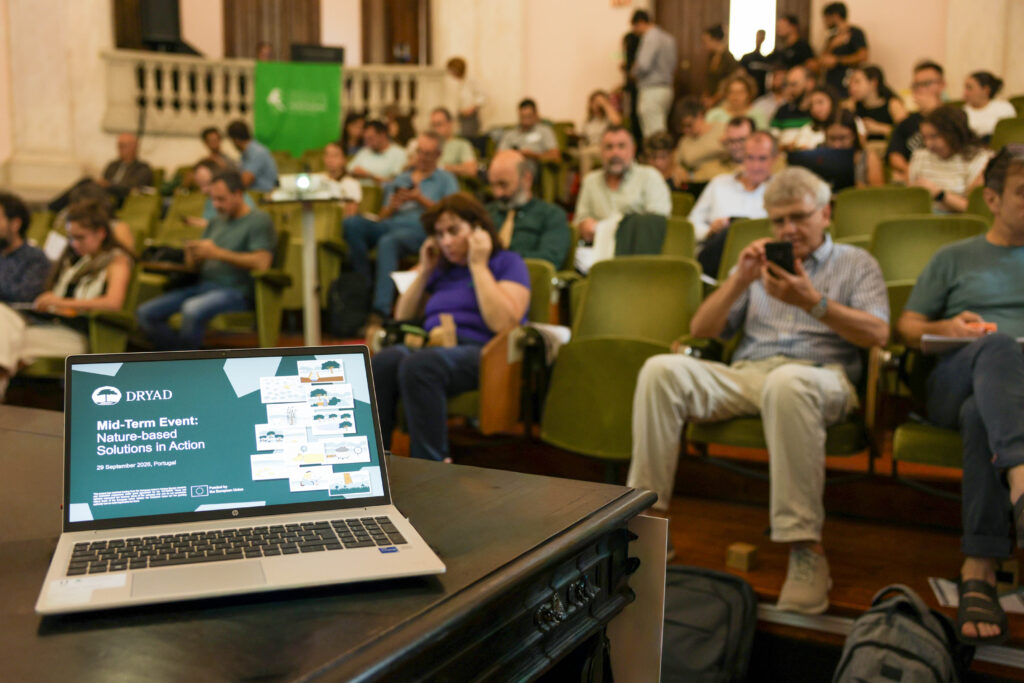
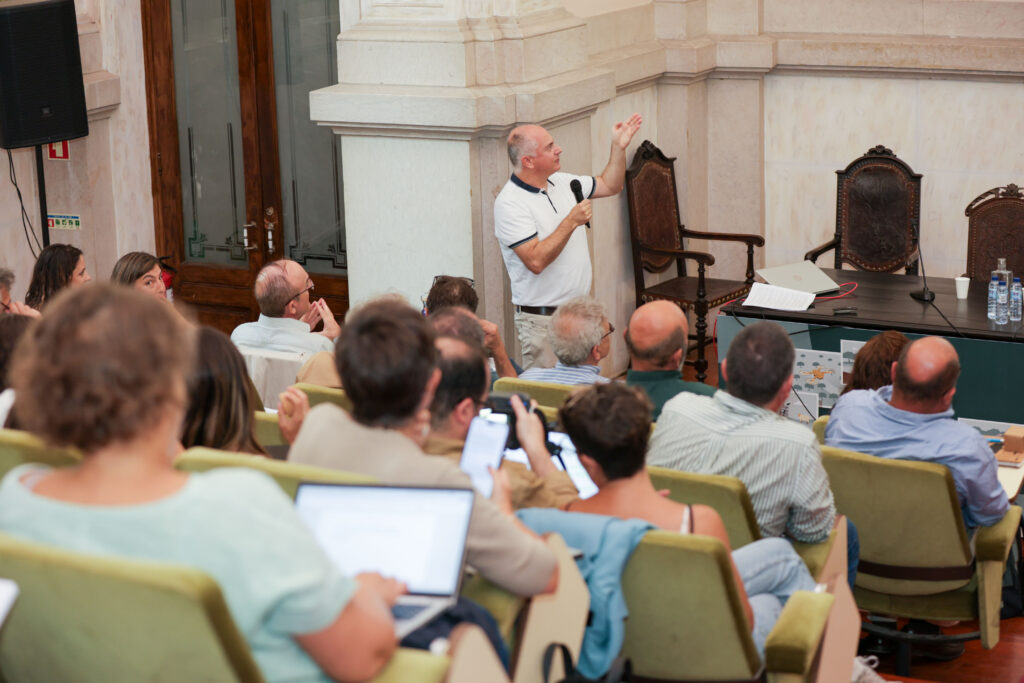
The open Mid-term Session was structured around a clear progression from development to demonstration, decision-making and co-creation, offering stakeholders an overview of where DRYAD stands today while creating opportunities to contribute to its next steps.
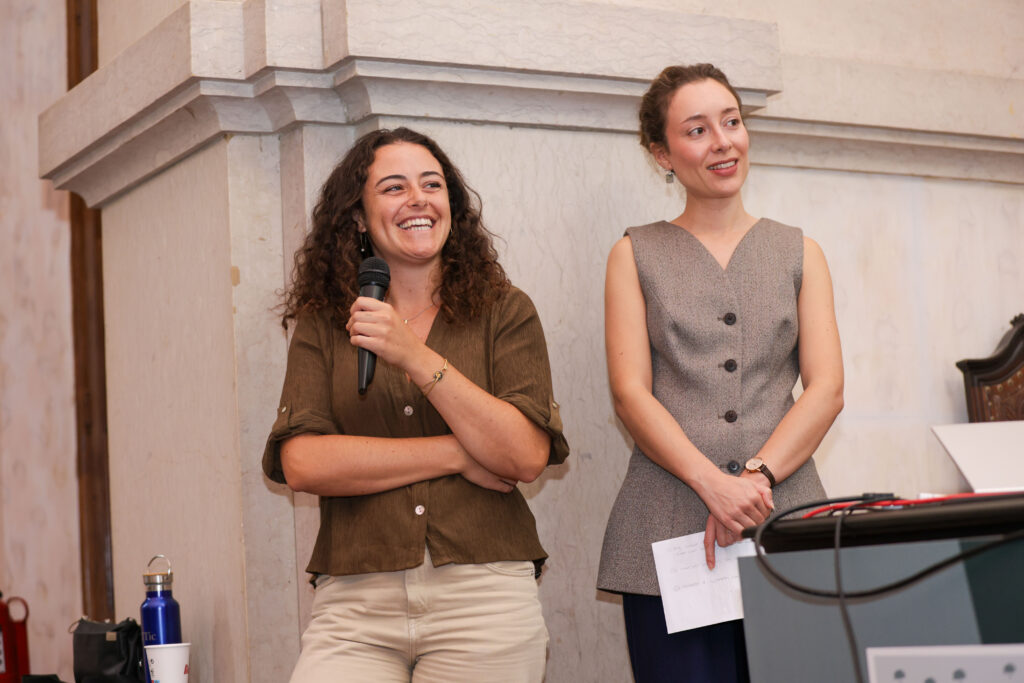
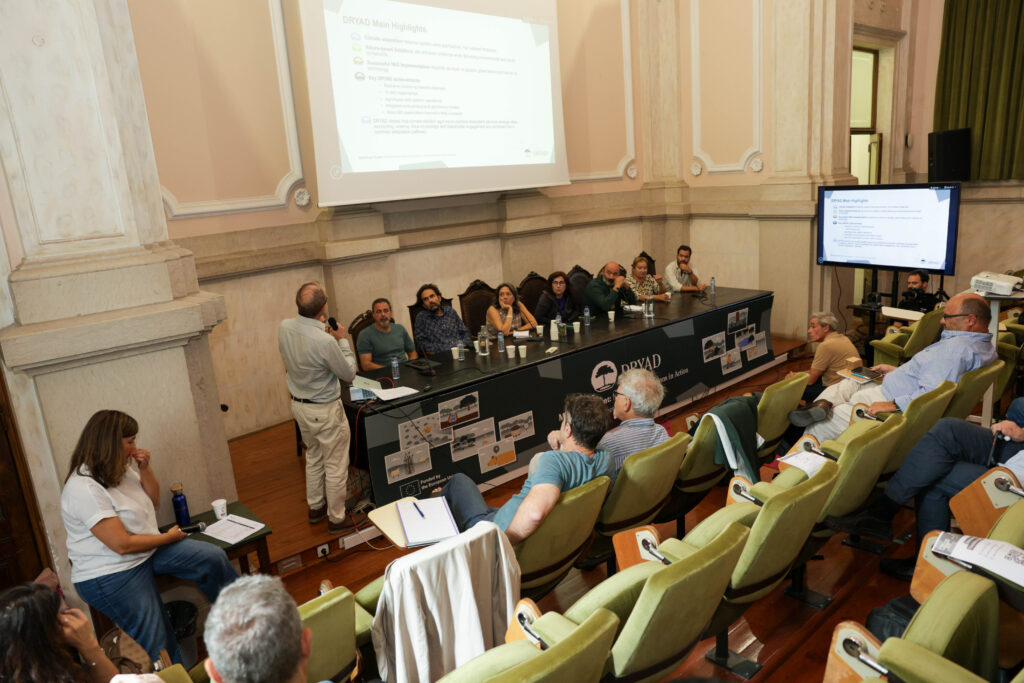
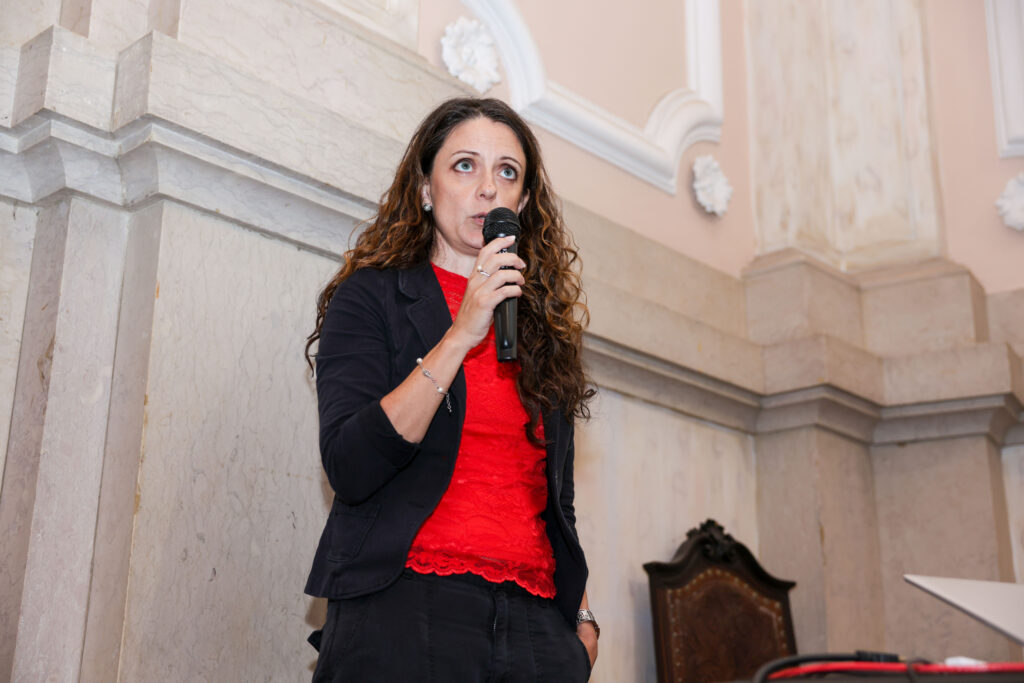
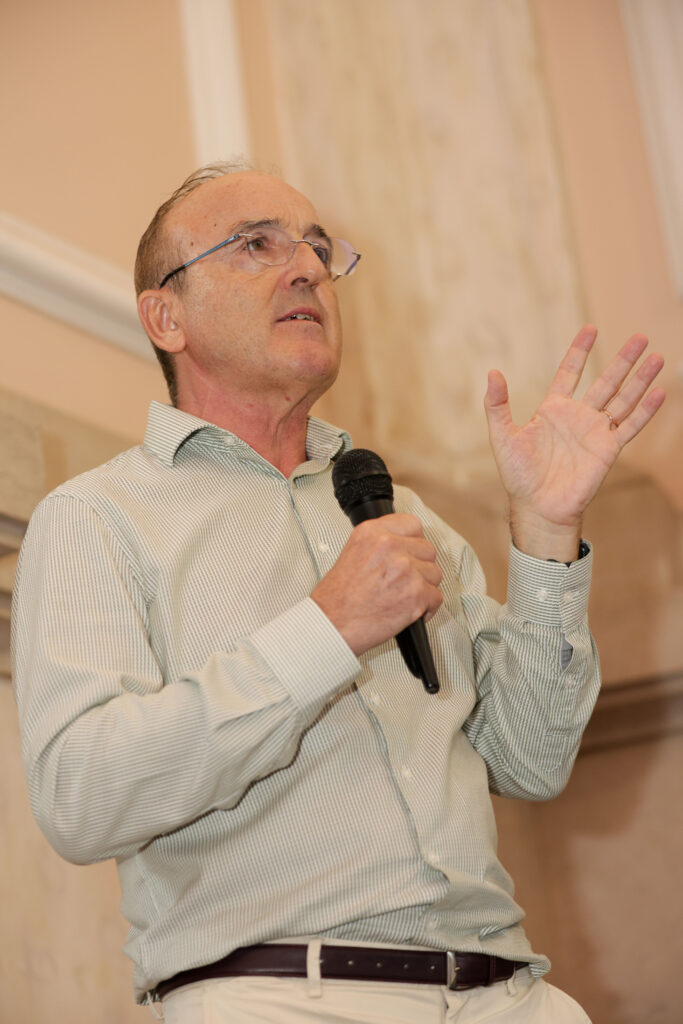
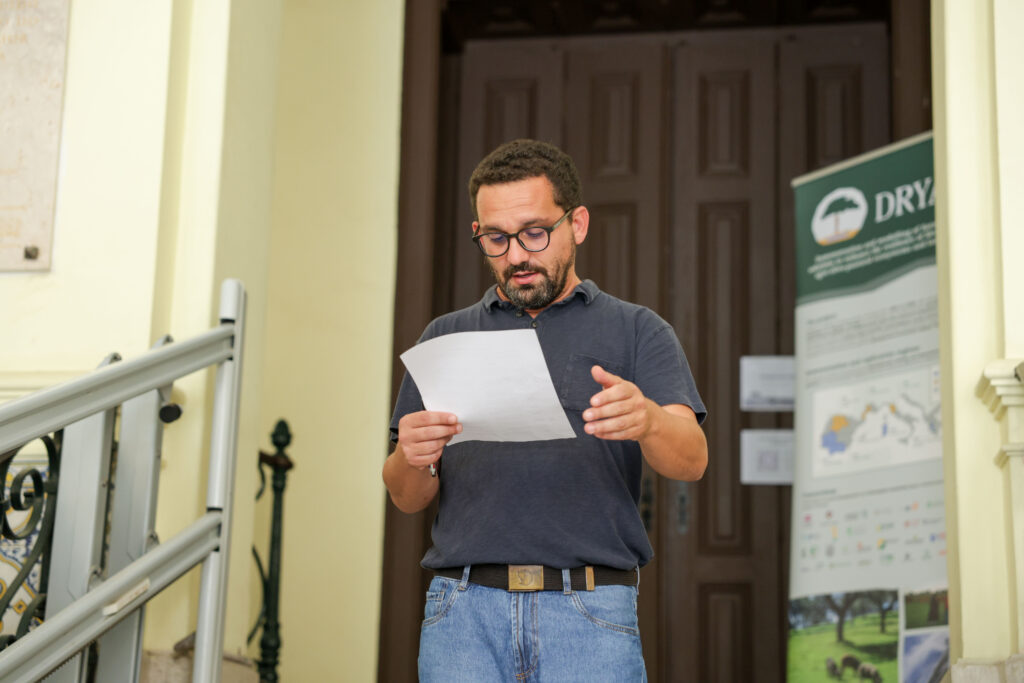
The session opened with a “Setting the Scene” section led by Tamara Rodríguez (FEUGA) and Javier Samper (University of A Coruña). Tamara welcomed participants and introduced the session, while Javier provided an overview of DRYAD's progress to date, placing the project's work in the context of its transition from research and development towards demonstration and real-world application. His presentation also underlined why stakeholder knowledge and experience are essential to ensuring that the solutions developed by DRYAD respond to actual territorial needs.
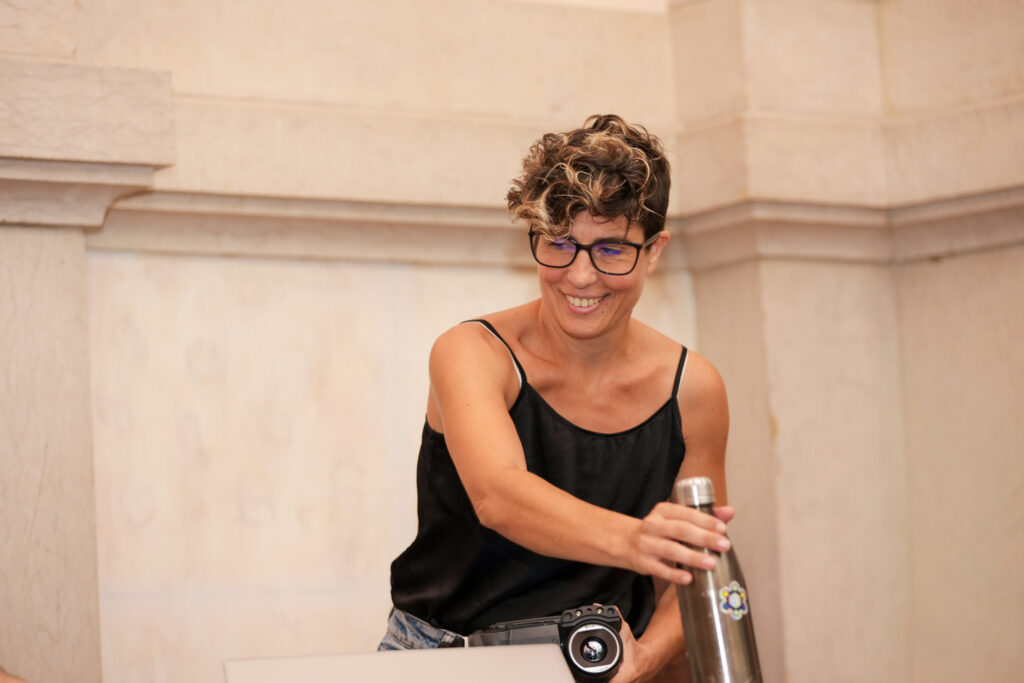
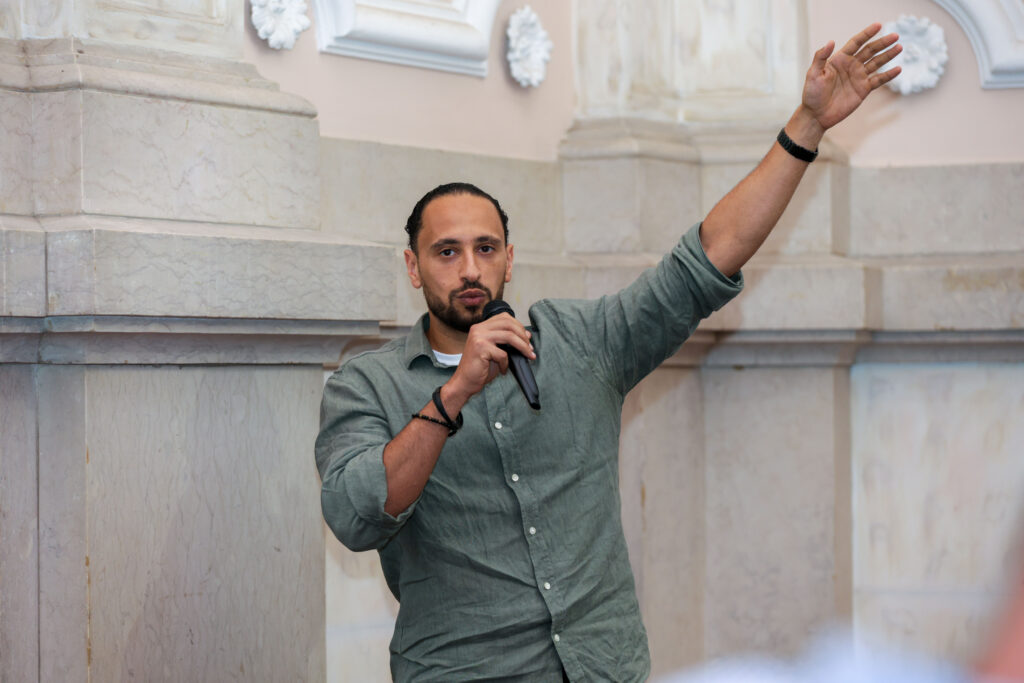
The programme then moved from development to “Demonstrate”, with Bas Retsios (UT), Ana Andreu (UCO) and Mostafa Daoud (UT) presenting DRYAD's practical demonstrations. They showcased the sensors network being deployed across the demonstration sites, as well as AgroAquae, the software platform that collects the data generated by the sensors and makes it available in real time. The presentations also introduced the models being used to process and interpret this data, illustrating how sensor measurements, digital tools and modelling approaches are being brought together to monitor conditions and support the practical implementation of Nature-based Solutions in different territories.
The next step was “Decide”, focusing on DRYAD's Decision Support System (DSS). Elisa Delpiazzo (CMCC) introduced the tool and explained how it is being developed to support stakeholders in assessing and selecting Nature-based Solutions according to their specific conditions, priorities and decision-making needs. The presentation highlighted the role of the DSS in translating project knowledge into information that can support practical decisions at territorial level.
The final part of the session focused on “Co-create”, with Yara Shennan (ICATALIST) introducing DRYAD's co-creation roadmap and the framework that is guiding stakeholder engagement activities within the project. The presentation set out the key questions and areas where stakeholder input will be particularly important, reinforcing the role of co-creation in shaping solutions that are relevant, usable and transferable across territories.
Eight regions, one shared conversation
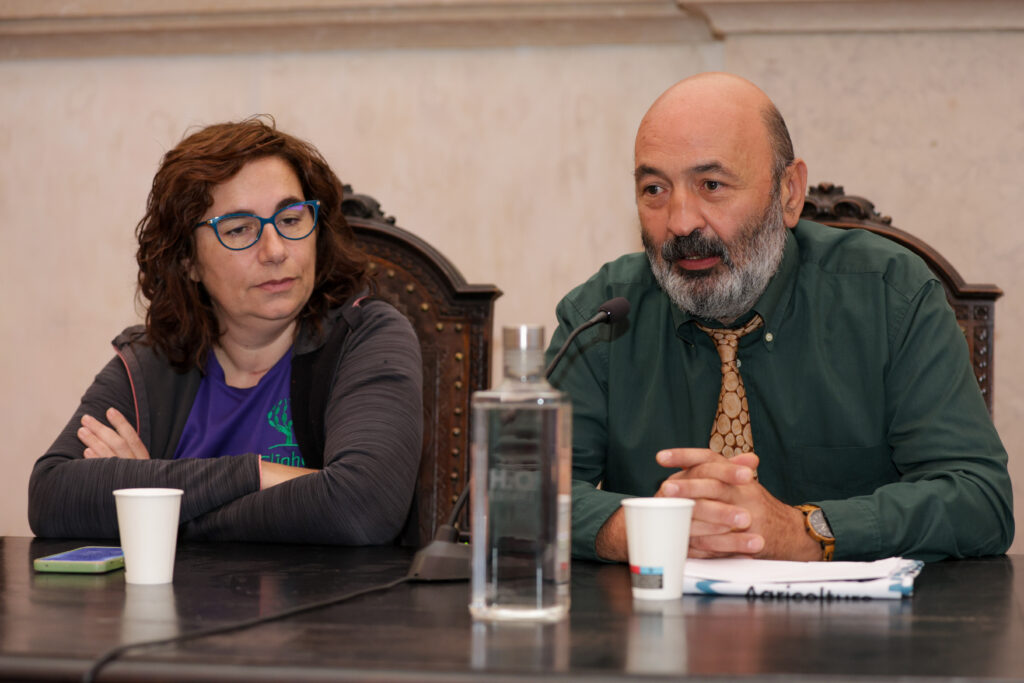
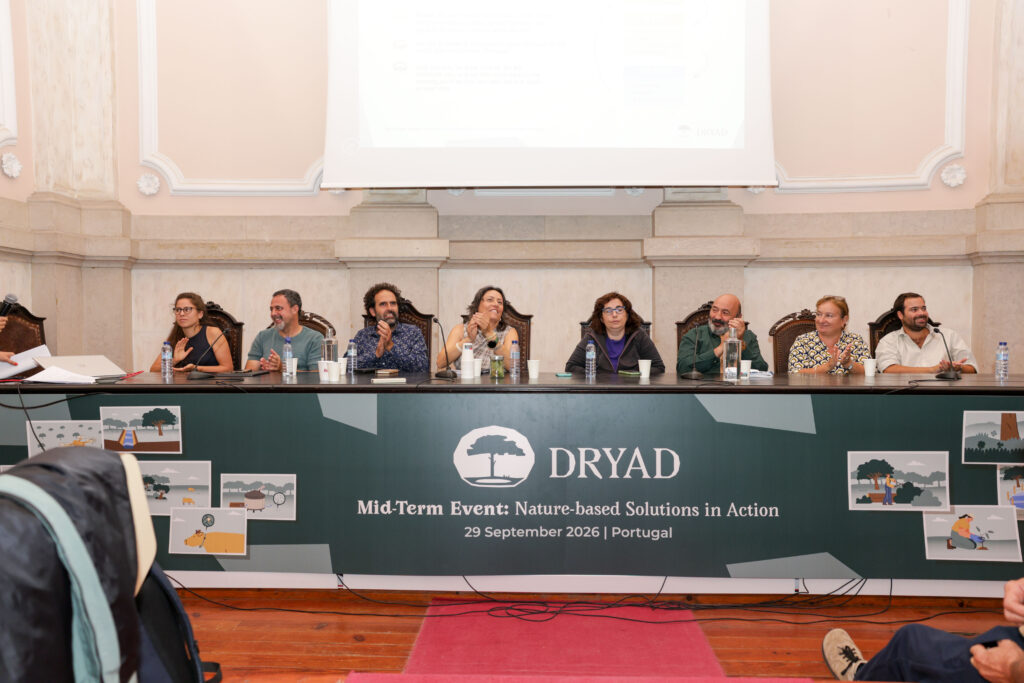
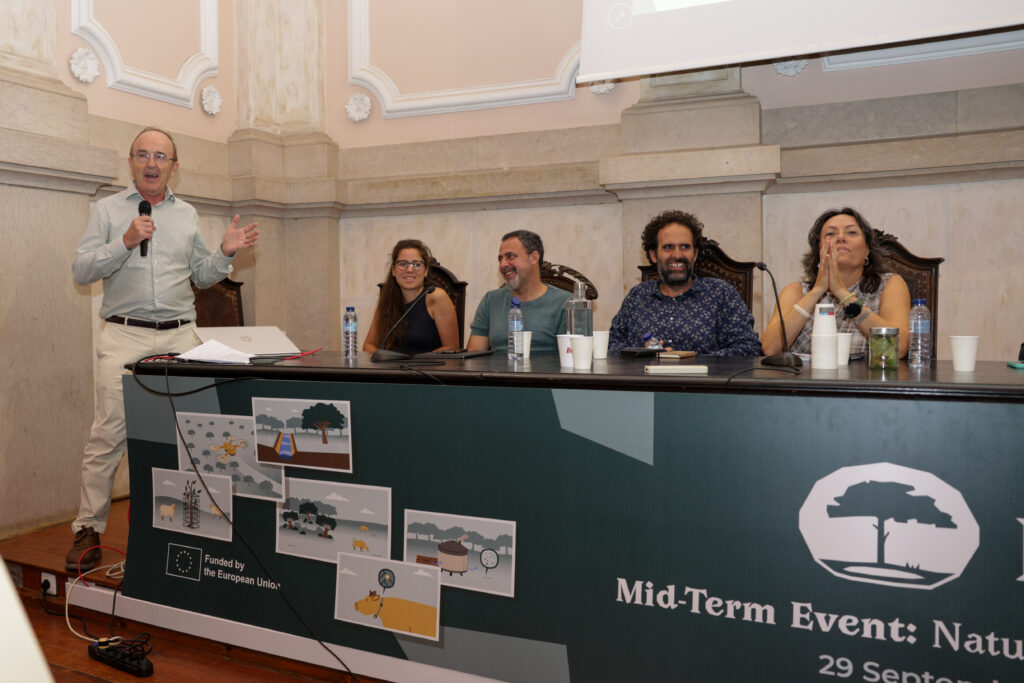
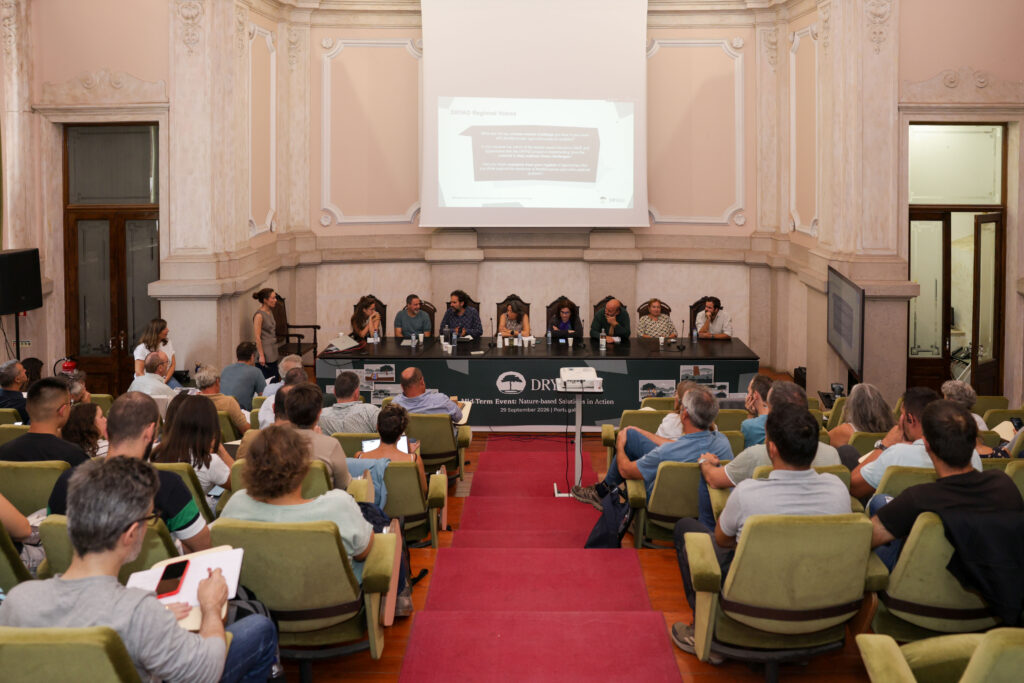
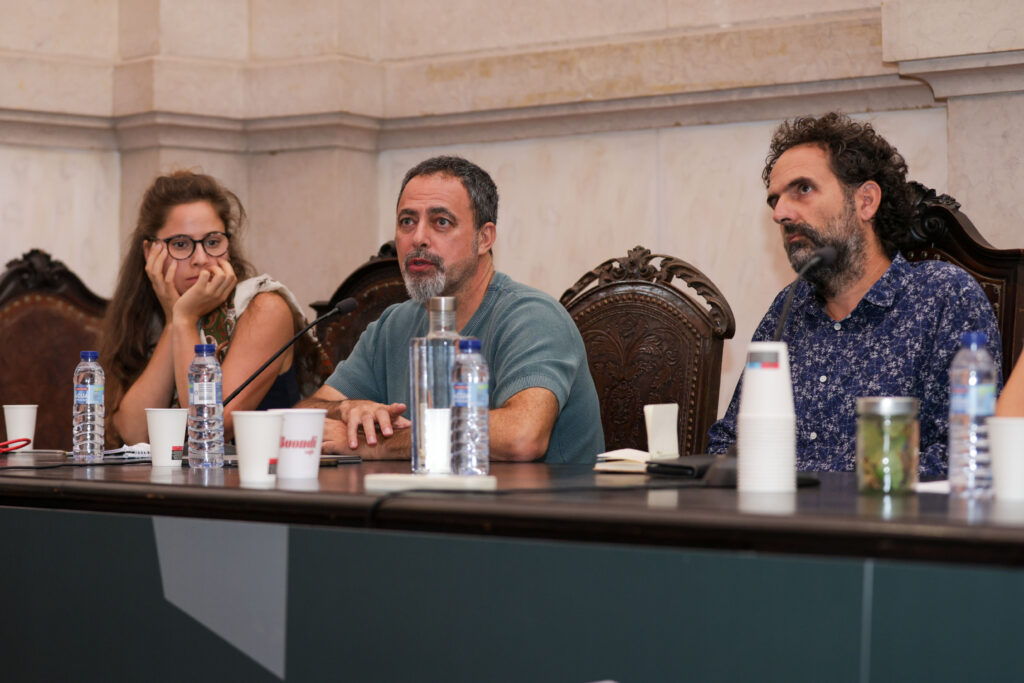
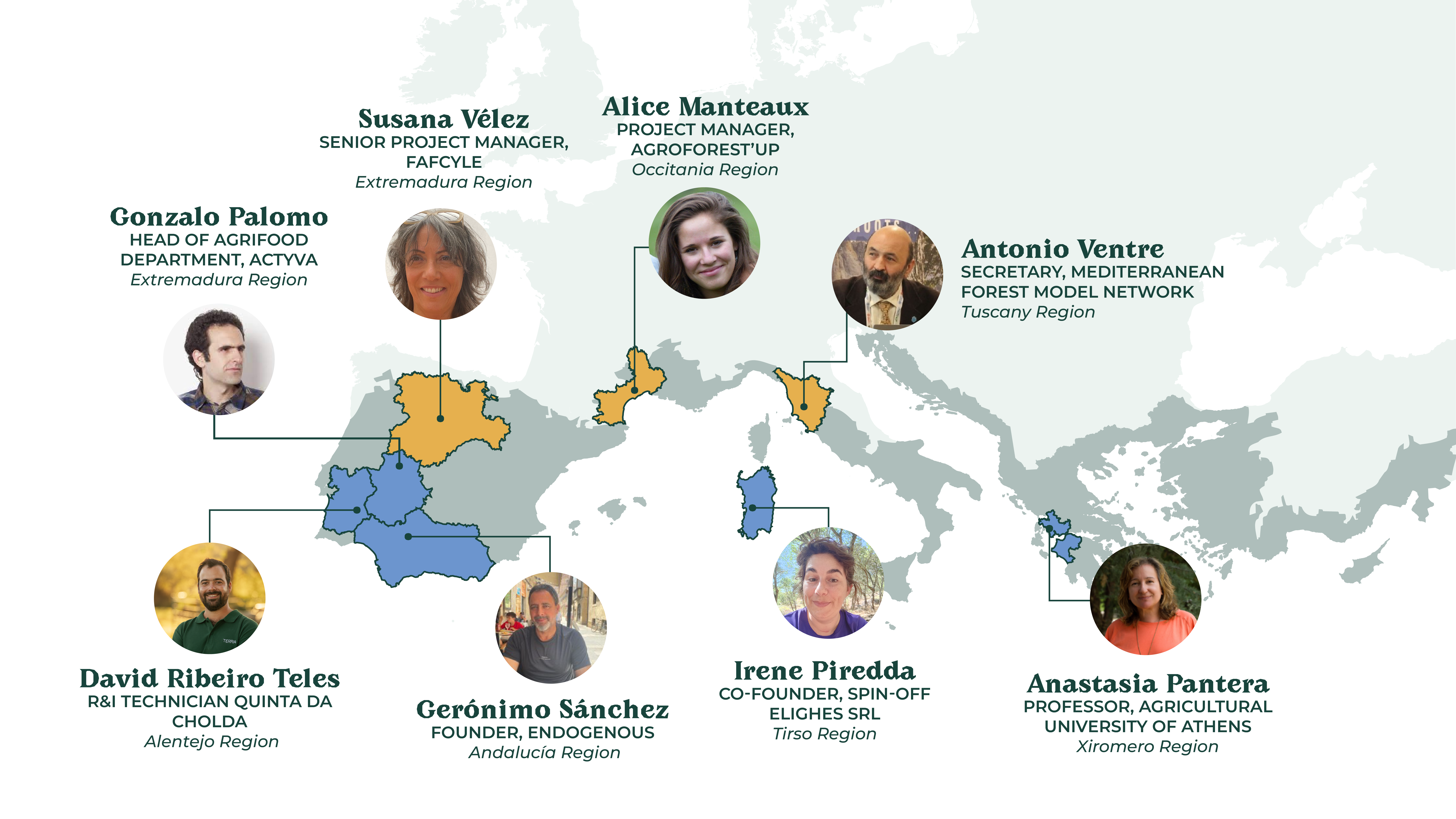
A highlight of the event was the stakeholder panel discussion, which brought together representatives from all eight DRYAD Demonstration and Replication regions.
Moderated by Yara Shennan (ICATALIST), the panel featured one representative per DRYAD region Gerónimo Sánchez (Andalusia), Gonzalo Palomo (Extremadura), David Ribeiro (Alentejo), Irene Piredda (Tirso), Anastasia Pantera (Xiromero), Susana Vélez (Castilla y León), Alice Manteaux (Occitania) and Toni Ventre (Tuscany).
The starting question was deliberately simple: What are the key climate-related challenges you face in your work with Mediterranean agro-silvo-pastoral systems? The answers quickly revealed that climate change is only one part of the equation.
Across the regions, stakeholders described increasingly frequent droughts, water scarcity, high temperatures, extreme weather events, tree mortality, diseases and declining biodiversity. In some territories, young trees are struggling to survive, while long periods of drought followed by intense rainfall are putting additional pressure on ecosystems.
But the discussion also exposed another challenge: people. Several panellists stressed that the success of Nature-based Solutions ultimately depends on whether they can be understood, accepted and implemented by the people managing the land. Scientific knowledge and technical solutions alone are not enough if they do not respond to the realities, priorities and constraints of farmers and land managers.
One recurring message was that the gap between research and practice remains a major barrier. Solutions may already exist, but transferring them to the field requires a better understanding of how users work, what prevents them from adopting new approaches and what type of support they need.
The discussion also highlighted the consequences of rural depopulation and the lack of generational renewal. In several regions, fewer young people are choosing to remain in rural areas or take responsibility for managing agro-silvo-pastoral farms. Poor connections between rural areas and urban centres, changing food systems and insufficient economic incentives add further pressure.
This led to another central theme: economic viability. As one audience member put it, profit is a key factor in keeping people in these systems. Restoring ecosystems and implementing new practices requires investment, while land managers need viable economic models if they are expected to maintain them over the long term.
Yet the discussion also went beyond profitability. Participants stressed that adoption is influenced by a much wider combination of social, institutional and practical factors. Policies, rural services, knowledge transfer and stronger connections between researchers and land managers all have a role to play.
The conclusion was clear: resilience cannot be addressed through technology alone. It requires solutions that connect environmental evidence with economic realities, local knowledge and the people who ultimately have to put those solutions into practice. solutions that remain flexible enough to respond to the specific environmental, social and economic conditions of each territory.
From discussion to practice
In the afternoon, participants travelled to Companhia das Lezírias, one of DRYAD's demonstration areas in Portugal, where discussions continued in a real-world setting.
The visit offered stakeholders a closer look at how Nature-based Solutions and digital technologies are being applied on the ground within an agro-silvo-pastoral landscape. Participants explored different demonstration activities, including the use of artificial ponds, LoRaWAN technology and environmental monitoring sensors.
Seeing these solutions in practice provided valuable context for many of the themes discussed during the morning sessions. It also created further opportunities for informal exchanges among participants, allowing them to compare experiences, discuss implementation challenges and reflect on how similar approaches could be transferred or adapted to their own regions.